- Blog
Pisi-DigiLa Launches in October: More Confidence for Parents
A one-year-old hands you a spoon, puts it back in the bowl and starts again. A few minutes later, they point to a bird outside the window and wait for your response. These small moments are opportunities to do things together, communicate and notice what interests your child.
Parents often have questions, though. What should my child be able to do at this age? How can I support their curiosity? What activities can we try at home without much preparation? The Pisi-DigiLa pilot project, launching in October, is designed to offer clear, practical support to parents of children aged 12–18 months.
Why this age?
Children aged 12–18 months discover the world by moving, exploring, imitating adults and communicating more and more. Their play does not need an elaborate plan. When a child puts objects into a box and takes them out, climbs in a safe space or looks at a book with a parent, the adult can notice what they are doing and respond.
Research helps explain why these everyday interactions matter. A study published in 2024 followed 104 children and their caregivers and found links between early attention, interactions that responded to the child's cues, and vocabulary measured at 18 months. For example, a parent can respond to a child's pointing by naming the object they are looking at.
Another study published in 2024, involving 92 families, explored how guidance offered to parents when their children were 14–20 months old related to their children's later language skills. The researchers found that parents with a better understanding of child development communicated with their children more often. These regular interactions were associated with stronger language skills at preschool age. For parents, this suggests a simple starting point: notice what your child is trying to tell you, respond and give them time to respond in turn.
Ideas to try together
Pisi-DigiLa is an online platform currently in development, bringing together activity videos and guidance created by early childhood education specialists. Parents can find ideas for playing with their children at home, along with explanations of the skills each activity supports. The platform aims to help parents notice their child's development and find suitable next steps based on their interests.
The videos provide guidance for adults. In a randomised study published in 2025, parents of children aged 12–36 months received short videos demonstrating play activities over six weeks. After ten weeks, parents who received the videos reported playing with their children more often than those in the control group. The study examined a different programme and relied on parents' reports, but it suggests that a short, clear demonstration can help parents bring an idea into everyday life.
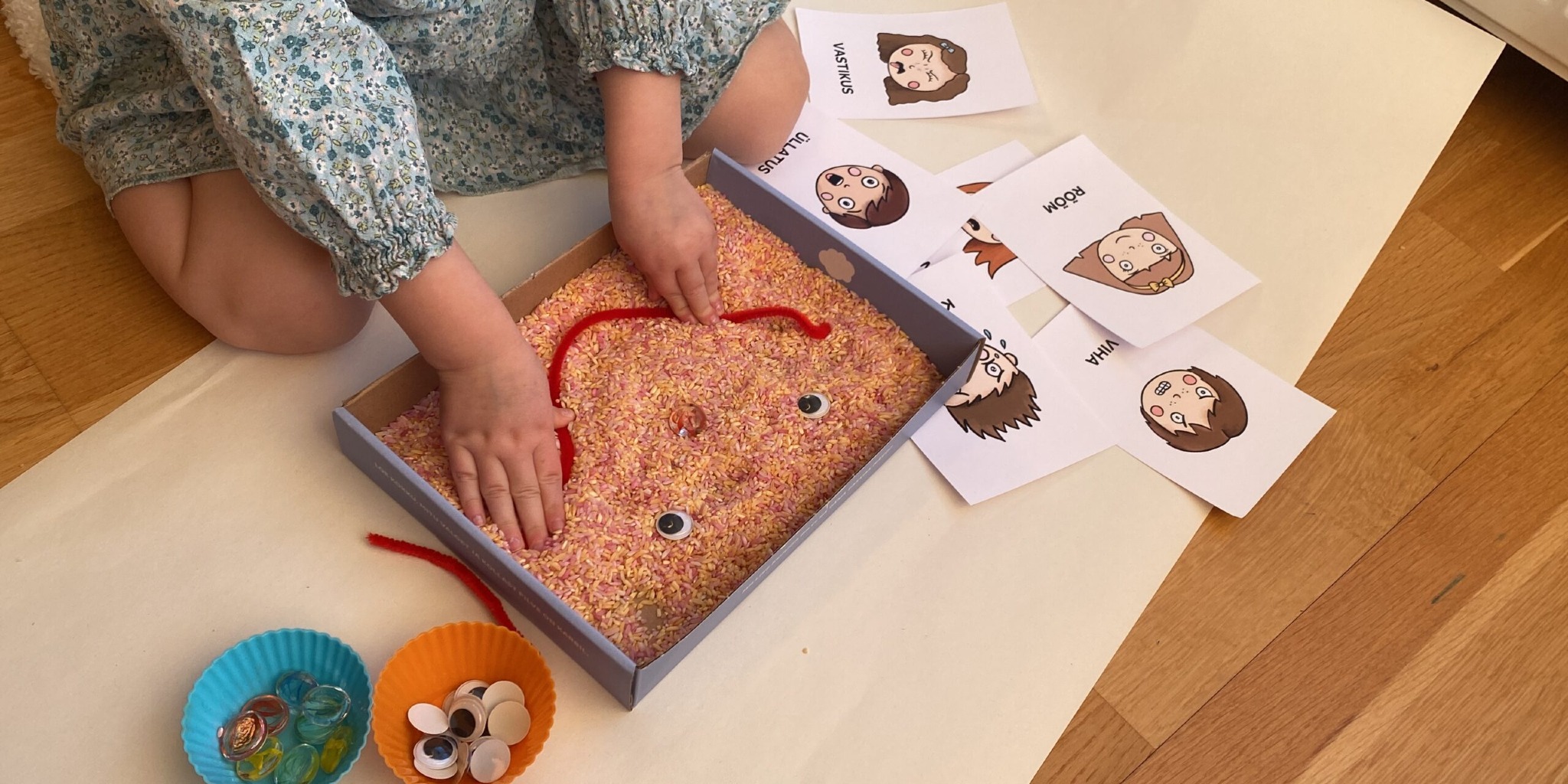
Pisi-DigiLa's content centres on children and parents doing things together: children exploring independently, adults being attentive and present, and activities that can use materials already available at home.
A clear picture of your child's skills
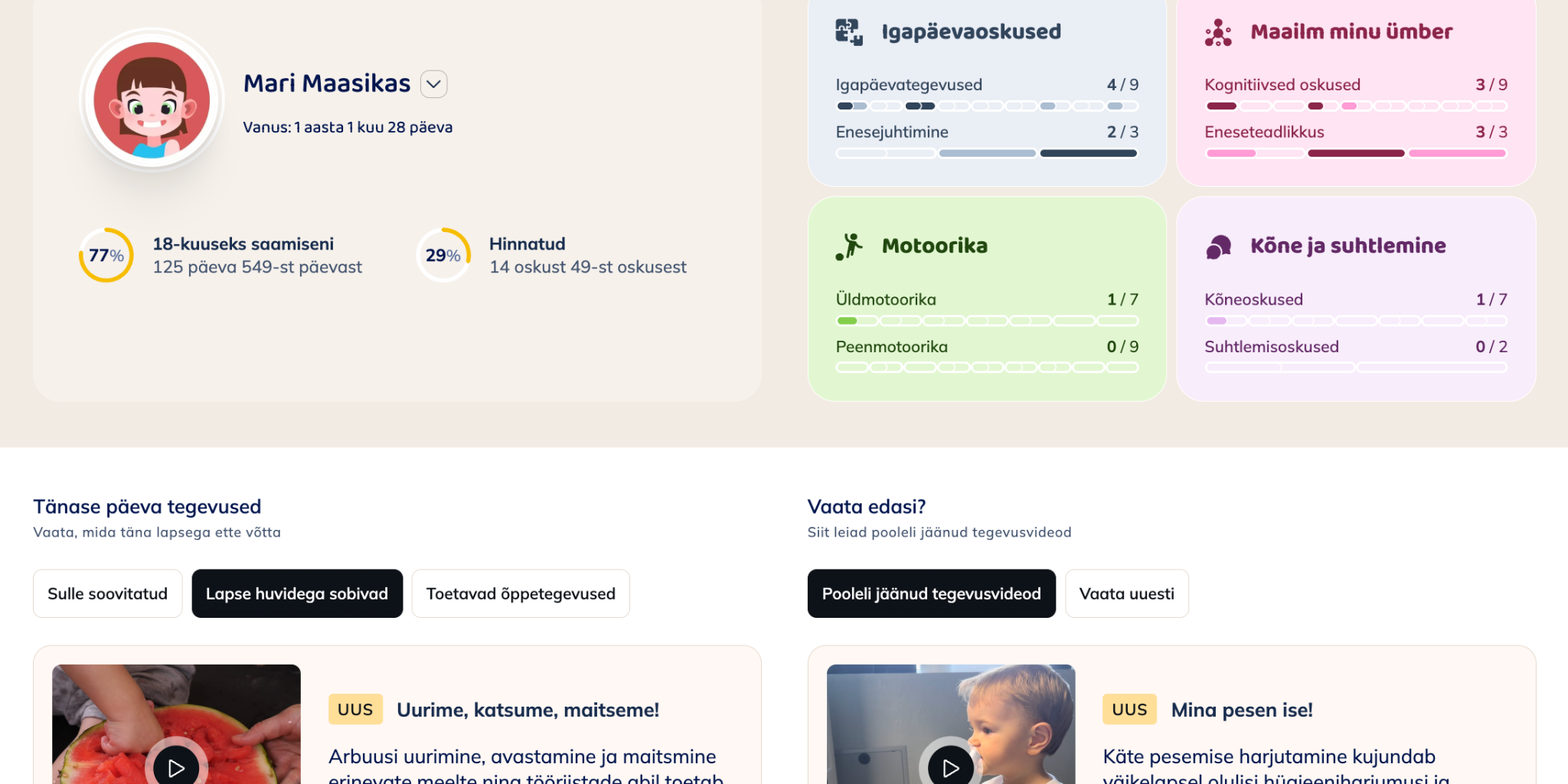
One of Pisi-DigiLa's core features is a personalised overview of your child's skills. Descriptions of age-related skills help parents understand what children are typically able to do at this age and follow, step by step, which skills are already present and which are still emerging. Through everyday play and shared activities, parents can get to know their children better and notice and celebrate even small steps forward. The overview helps parents decide what to try next with their child, taking their interests and development into account.
Researchers have also explored how digital tools can support ongoing developmental monitoring. A 2025 study by University of Washington researchers involved 139 families. Parents using a platform that combined clearly presented developmental information, activity ideas and text-message reminders completed questionnaires about their child's development more consistently than the comparison group. This finding suggests that thoughtfully designed digital support can help parents follow their child's development regularly.
The first families will help shape Pisi-DigiLa
The pilot launching in October will give already registered parents of children aged 12–18 months the opportunity to be among the first to try Pisi-DigiLa at a time that suits them. Throughout the pilot, we will welcome their feedback: which ideas were useful, what was unclear and what further support they need. This will help us develop the platform together with the families it is designed for.
You do not need to be an expert in child development to give your child exciting opportunities to explore. You can start by noticing what interests them and sharing a moment together.
Author: Birgit Anette Bibikov
Share article: