- Research & insights
How Can We See the Full Picture of a Child’s Development?
A new OECD study looks beyond early literacy and numeracy. Its findings offer early childhood educators a fresh reason to connect the small moments they observe every day.
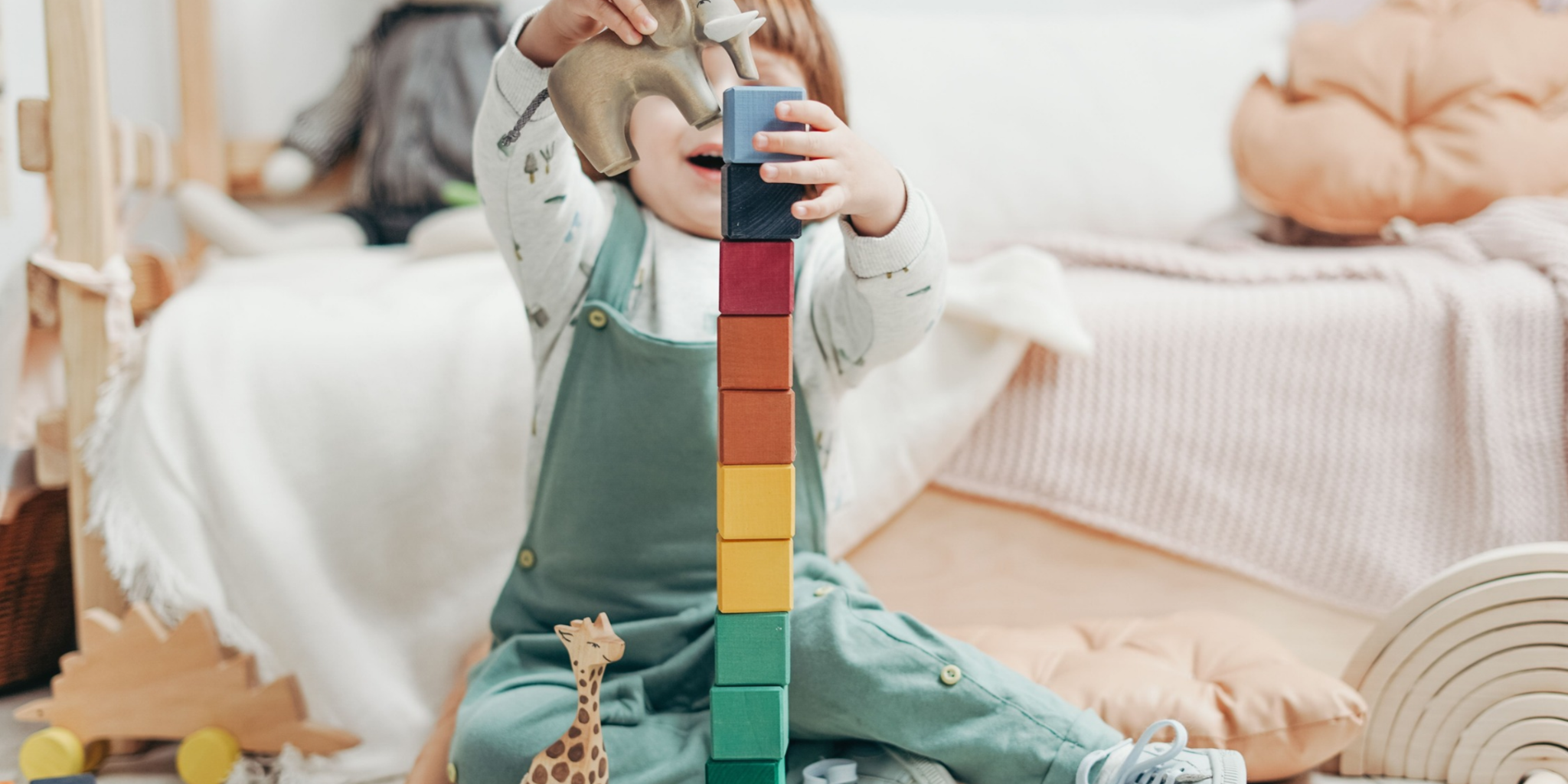
A child builds a bridge from blocks. When it falls, she changes the design and tries again. Another child joins her. They negotiate who will place the next piece and, eventually, ask an educator for a wider base.
In a few minutes of play, the children have explored balance, solved a problem, communicated an idea and managed frustration. A note that says “played with blocks” captures the activity. It tells us much less about the development taking place within it.
That difference matters. The OECD's Building Strong Foundations for Life, published in May 2026, reports findings from the 2025 International Early Learning and Child Well-being Study (IELS). It brings together information about five-year-olds' emerging literacy and numeracy, executive function, and social and emotional skills. More than 23,000 children across eight participating jurisdictions took part. The study combined playful direct assessments with information from parents and educators.
Its message for early childhood settings is clear: understanding a child means looking across several areas of development and listening to more than one perspective.
One child, many developing abilities
The OECD found that children who showed stronger outcomes in one area often showed stronger outcomes in others too; the same pattern appeared among children with weaker outcomes. The report argues that support for children with weaker early skills should consider multiple dimensions of development together.
That does not mean every child follows the same path. A child might have a rich vocabulary and still need help joining a group. Another may confidently work with numbers but find it hard to pause and try a different approach when something goes wrong. A useful picture of development leaves room for both strengths and emerging abilities.
For an educator, this picture grows from repeated, specific observations. What did the child attempt? What did they do when their first idea did not work? How did they involve others? What helped them continue? The answers can guide the next invitation to play, the support offered in the moment and the conversation with the family.
Families and Educators Build a Fuller Picture Together
IELS also found substantial differences in outcomes between the early education settings children attended. The quality and composition of those settings accounted for a sizeable share of the variation in the study. This is an association across settings, rather than proof that any single practice caused a particular result. Still, it reinforces the importance of looking closely at children's daily experiences.
Families bring another essential perspective. The OECD found that children whose parents were more involved in their early education settings tended to have stronger outcomes in several areas, particularly social and emotional development, even after accounting for socio-economic status. This finding is also correlational. It offers a reason to make conversations with families more meaningful: parents may see interests, language and abilities at home that are less visible in a group, while educators see how the child participates with peers.
Consider the child at the block table. At home, her parent may notice that she has recently become fascinated by bridges on the way to nursery. The educator may notice her persistence and growing ability to negotiate with another child. Together, these observations suggest what to offer next: photographs of local bridges, different construction materials, or a chance to draw and test a new design.
Turning observations into decisions
Collecting observations is only a first step. Their value lies in what adults can do with them. To see development across different areas, educators can ask three practical questions:
What can this child already do, and what captures their interest? Begin with the child's actions and strengths.
What is developing across different situations? Look for patterns over time rather than drawing conclusions from one moment.
What could we offer next? Choose an experience, adjustment or conversation that responds to what has been observed.
These questions also help protect the child's individuality. A curriculum can show which areas deserve attention; the child's interests and context help determine the route. The aim is to make informed decisions without reducing a young child to a score or a checklist.
How DigiLa connects the observations
This is the challenge DigiLa was built to address. Developed by early childhood education specialists in Estonia, the platform helps educators organise observations of children aged 1–7 across curriculum areas, see developing strengths and needs, and find relevant activity ideas. It gives families a clearer view of their child's development and ways to continue an interest at home.
DigiLa uses technology to help adults make sense of information gathered over time. Its AI-supported analysis can assist with summaries and recommendations; the educator and family bring the context that data alone cannot provide. Decisions about a child remain with the people who know that child.
For early childhood organisations, the practical question is how to bring observations from different areas of development, settings and moments together – and use them to plan meaningful experiences for each child.
The answer begins with a curious adult watching a child build a bridge. It grows when those observations become a shared understanding and a thoughtful next step.
Research referenced
OECD (2026). Building Strong Foundations for Life: Results from the 2025 Early Learning and Child Well-being Study.
Author: Birgit Anette Bibikov
Share article: